






Jeffrey Peng MD
Sep 6
6 min read
Watch the Full Video
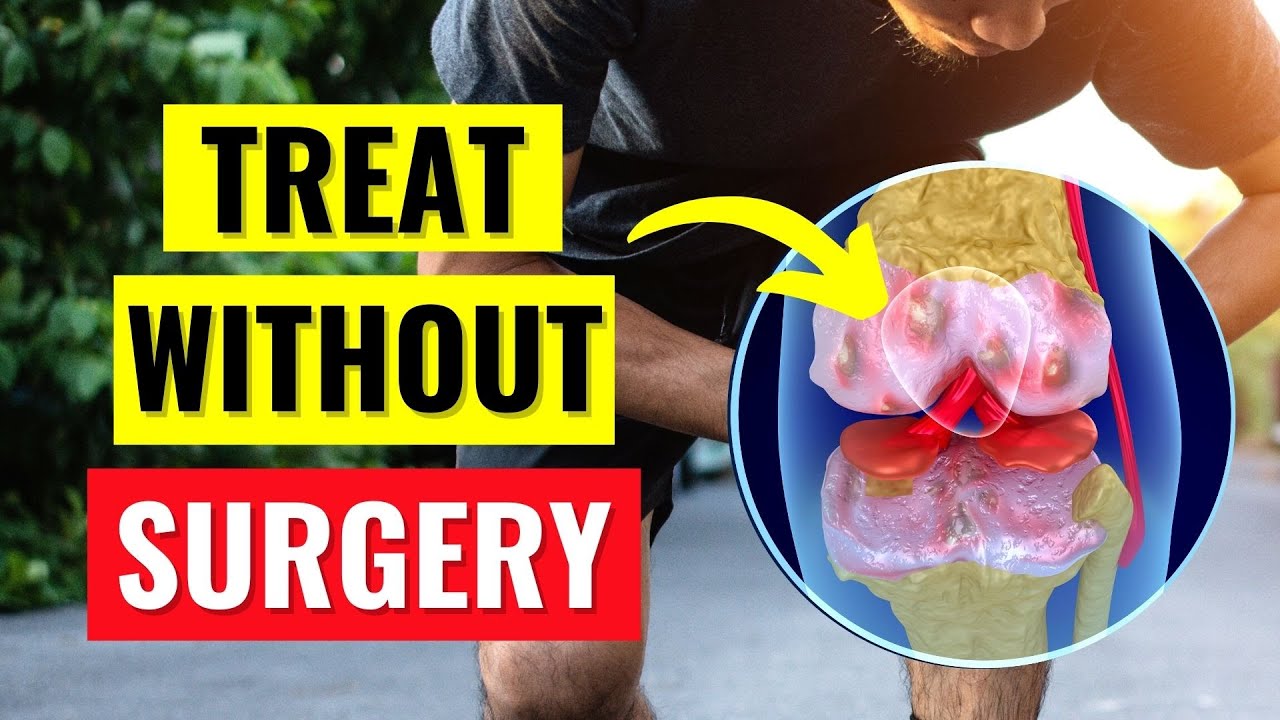
I've seen a lot of patients with severe knee arthritis respond to PRP injections. And that's the complete opposite of what a lot of orthopedic surgeons tell people. PRP success rates aren't just a function of how bad the arthritis looks on X-ray.
What PRP success rates do I quote by arthritis severity?
Let's start with the success rates I quote to patients. This is based on my experience treating thousands of patients, not a clinical trial, so take what I say with a grain of salt. For mild to moderate osteoarthritis, PRP is arguably the most effective injection we have. It helps reduce pain and improve function, and may even protect your cartilage while slowing the progression of arthritis. One high-dose PRP injection of at least 10 billion platelets works in about 80-90% of these cases, and the hope is it will last around one year.
For those with moderate to severe osteoarthritis, PRP, in my opinion, is still the most effective injection available. These people are trying to push out or delay their knee replacement surgery but still require pain relief to stay active. They usually need one or two high-dose PRP injections, with the expectation that the benefits will last about 9 months, and maybe up to 1 year.
And for those with true bone-on-bone osteoarthritis, the effectiveness of any injection, such as cortisone, hyaluronic acid, and PRP, is unpredictable. The most definitive treatment option remains a knee replacement surgery. However, for those interested in trying PRP, I've found the success rate to be about 50-60%. When it works, it can provide approximately six months of relief. Some people are lucky and can get up to 9 month or even longer. Typically, patients with bone on bone arthritis require two high-dose PRP injections to achieve significant improvement.
What does a 50-60% response look like in real life?
And what kind of response do these patients get? Here's what that 50-60% might look like. I have an 83-year-old patient who is still young at heart and very active. She loves traveling and fly fishing. Unfortunately, she has knee pain caused by severe arthritis, and her physical therapist and orthopedic surgeon recommended knee replacement surgery. However, the surgery could keep her from fly fishing for up to a year, and at her age, she might never return to fly fishing even after recovery. She came to my clinic for a second opinion.
The first thing I did was ask her about her goals. We discussed that surgery's purpose is to improve your quality of life so that you can do what you want to do in life. And if she could already fly fish now, what would surgery actually add? Alternatively, if a combination of non-surgical treatments could help her continue fly fishing, she could keep doing so as long as she wishes. Over the past four years, she has been receiving PRP injections every six months, which have offered sufficient pain relief and functional gains to maintain her activities. The key point is that severe arthritis doesn't necessarily mean it's too late for PRP treatments.
But success from PRP means different things to different people, and it really depends on each person's activity levels and goals. For some people, they have moderate to severe arthritis and want to do everything possible to delay knee replacement surgery for as long as possible. They understand that PRP won't regenerate cartilage or reverse arthritis, but some studies suggest it can protect existing cartilage and slow arthritis progression. For these people, PRP is totally worth it.
I have other patients in their 40s and 50s who already have severe arthritis in their knees, and they were advised by their surgeons to wait before surgery because they are considered too young. But they still want to be active, so what are their options? This is again where PRP is an excellent choice. It can provide meaningful symptomatic improvement that lets them play pickleball, hike with friends, practice martial arts, and compete in tennis.
Does arthritis severity on X-ray decide who responds?
But that doesn't mean PRP injections are guaranteed to work for everyone with moderate to severe arthritis. Clinical trials suggest that response rates do, in fact, correlate with arthritis severity. People with mild to moderate osteoarthritis respond much better and see far greater clinical improvement compared to people with severe arthritis.
What does the European consensus say about PRP for severe knee OA?
So when asked, "For which degrees of knee osteoarthritis is PRP best indicated?" a European consensus group (Laver and colleagues, 2024) wrote:
Clinical evidence has shown the effectiveness of PRP in patients for both mild to moderate degrees of knee OA (Kellgren-Lawrence grades 3 or less).
This is well deserved because multiple systematic reviews and meta-analyses now conclude that PRP injections can help with knee pain and function. A growing body of evidence also suggests PRP can help slow the progression of arthritis.
And when the consensus group was asked, "Can PRP be used in severe knee osteoarthritis (Kellgren-Lawrence grade 4)?" the group wrote:
The consensus group agrees that PRP treatment could be considered in selected severe knee osteoarthritis cases (Kellgren-Lawrence grade 4), for example, in patients who decline or are not suitable for surgery due to comorbidities, although lower results could be expected and physicians should provide cautious expectations when discussing or suggesting this approach.
Notice they don't say people with severe knee osteoarthritis should avoid PRP injections.
Can PRP still help if you're already on a knee replacement waitlist?
In fact, a recent study by Lacko and colleagues (2026) tested PRP in patients with severe knee arthritis. Every single one of these patients was already on the waiting list for a knee replacement surgery. They split the patients into three groups. Group 1 got two PRP injections, one week apart. The second group got a cortisone injection. The third group was instructed to take an oral anti-inflammatory pain medication.
The researchers then followed these patients for 6 months and found that the PRP group improved significantly more than the other two groups in pain, knee function, and stiffness. But instead of tracking only symptoms, the researchers also drew blood from patients at baseline, three months, and six months and measured a full panel of biomarkers. They found that PRP lowered cartilage breakdown, pain signaling, and inflammatory markers. And keep in mind that these results were found in people with severe arthritis waiting for knee replacement surgery.
So clearly, PRP injections can work in those with severe arthritis. Consensus groups say so, and even a randomized controlled trial supports it. But not everyone with severe arthritis will improve.
What else affects PRP success besides X-ray severity?
And that's because arthritis severity is only one of many factors that determine success. For example, how's your metabolic health? We are learning that osteoarthritis is as much a metabolic problem as it is a wear-and-tear problem.
People with metabolic syndrome have worse outcomes when it comes to osteoarthritis. Elevated triglycerides and visceral fat both track with worse overall pain. Higher metabolic syndrome severity predicts more bone marrow lesions, which may drive worsening arthritis progression.
What about quadriceps strength? The quadriceps is important for joint stability and shock absorption. And poor quadriceps strength is one of the most consistently documented modifiable risk factors for knee osteoarthritis. It's a very strong predictor of poor functional outcomes, greater disability, worsening pain, and maybe even arthritis progression.
Other factors like body weight and obesity, psychosocial factors like depression and anxiety, and even poor sleep have all been linked to worse arthritis symptoms. So it's hard to figure out who PRP will work for and who it won't when so many other variables are at play. Arthritis severity on X-rays is not the only factor to consider.
Bottom Line
PRP success rates aren't just a function of how bad the arthritis looks on X-ray. In my clinic experience, high-dose PRP helps about 80-90% of mild to moderate knees for around a year, remains the injection I reach for most in moderate to severe disease for about 9–12 months of benefit, and still helps roughly 50-60% of true bone-on-bone patients—often for about six months, sometimes longer—usually with two high-dose injections. A European consensus group (Laver and colleagues, 2024) supports PRP mainly for Kellgren-Lawrence grades 3 or less and says selected grade-4 cases can still be considered with cautious expectations. Lacko and colleagues (2026) found two PRP injections outperformed cortisone and NSAIDs over six months in patients already on a knee-replacement waitlist, including favorable biomarker shifts. Severity matters, but metabolic health, quadriceps strength, weight, mood, and sleep matter too—and dosing mistakes can make even the right candidate look like a failure.
If you want help matching expectations to your X-ray grade and goals, schedule a consultation at my Campbell clinic.
Related Reading
References
Laver L, et al. The use of injectable orthobiologics for knee osteoarthritis: A European ESSKA-ORBIT consensus. Part 1—Blood-derived products (platelet-rich plasma). Knee Surg Sports Traumatol Arthrosc. 2024. PMID: 38436492. PubMed 38436492
Lacko M, et al. Intra-articular platelet-rich plasma demonstrates superior clinical and serum biomarker outcomes compared with corticosteroids and NSAIDs in late-stage knee osteoarthritis: a randomised controlled trial. J Orthop Surg Res. 2026. DOI: 10.1186/s13018-026-07013-w. PMID: 42231445. PubMed 42231445
This content is for educational purposes only and does not substitute for the medical advice of a physician. Always consult your healthcare provider before beginning any new treatment program. The information presented reflects the opinion of Dr. Jeffrey Peng and does not represent the views of his employers or affiliated hospital systems.