
top of page
Computer Store
BLOG

FAVORITES

ARCHIVES

By Dr. Jeffrey Peng, MD · Published March 4, 2026 · 30 min read


Watch the Full Video


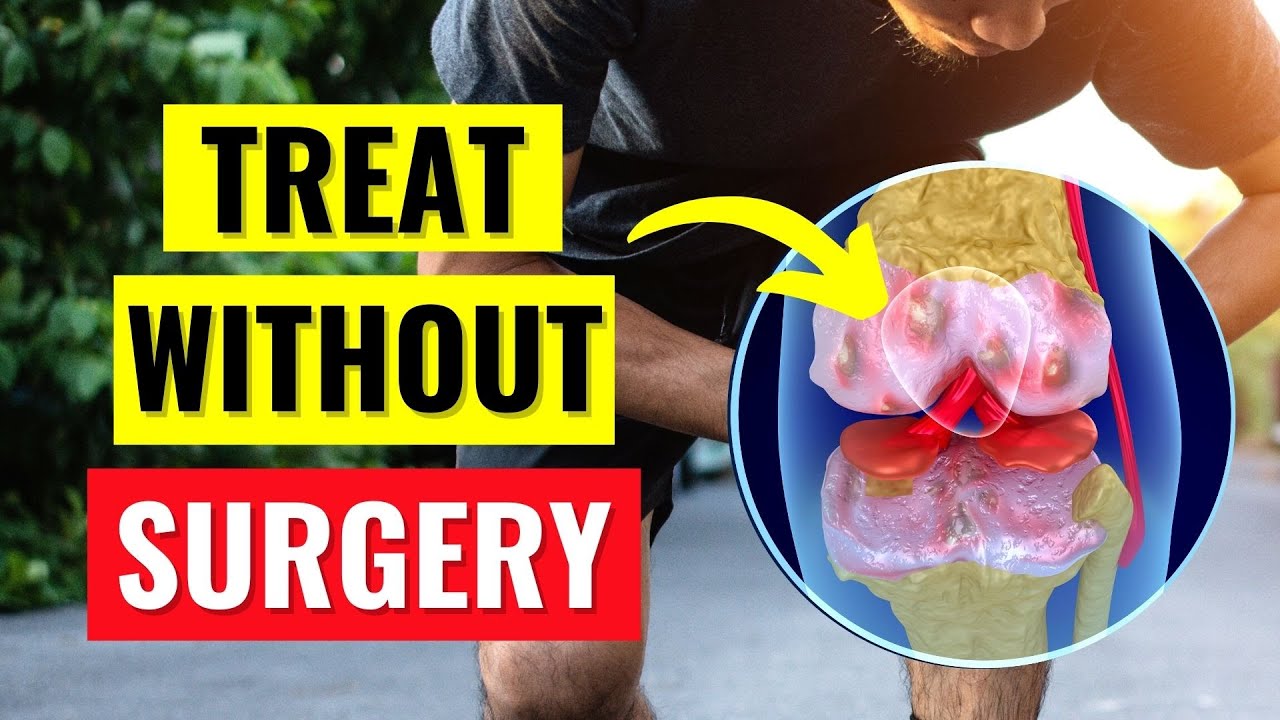
Platelet-rich plasma (PRP) injections have generated significant attention for their ability to treat joint pain, tendon injuries, and accelerate recovery using your body’s own healing mechanisms. But with growing interest comes a flood of questions: Does PRP actually work? How does it compare to cortisone or stem cells? Is the cost justified when insurance does not cover it?


In this comprehensive guide, I cover everything you need to know about PRP injections — from the science behind how they work and what to expect during the procedure, to recovery protocols, dosing strategies, cost considerations, and the clinical evidence supporting their use. Whether you are considering PRP for knee arthritis, tennis elbow, or another orthopedic condition, this resource will equip you with the knowledge to make an informed decision.


What Is Platelet-Rich Plasma (PRP) Therapy?


PRP is an innovative treatment that uses a patient’s own blood to promote healing throughout the body. The process begins with a standard blood draw. The blood is placed in a centrifuge, which spins at high speed to separate its components into three layers: red blood cells at the bottom, a thin middle layer of white blood cells and platelets called the buffy coat, and plasma at the top.


The buffy coat is what matters most. Platelets are cell fragments that play a critical role in clotting and tissue repair. The growth factors they release stimulate tissue healing, remodeling, proliferation, and — most importantly — help control pain and inflammation. A true PRP preparation concentrates platelets to at least four to six times their baseline levels, creating a powerful biologic solution that can kickstart the body’s natural repair processes.


PRP has demonstrated efficacy across a range of orthopedic conditions including chronic tendinopathies such as tennis elbow, golfer’s elbow, gluteal tendinopathy, and plantar fasciitis. It is also highly effective at reducing pain and symptoms related to osteoarthritis. However, PRP is not a cure-all — it cannot reverse cartilage damage or replace the need for surgery when a tendon or ligament is completely torn. It works best as part of a multimodal treatment plan that includes exercise, physical therapy, and activity modification.


How Are PRP Injections Performed?


The entire process takes less than one hour. It begins with a blood draw, where the volume collected depends on the target treatment area. Larger joints such as knees and hips require more platelets and therefore a larger blood draw. The blood is then placed in a specialized tube and centrifuged for 15 to 30 minutes to isolate the platelet-rich layer.


Once the PRP solution is prepared, the treatment area is cleaned and sterilized. A small amount of local anesthetic may be applied to reduce discomfort. The PRP is then injected under imaging guidance into the injured tissue.


I want to emphasize that imaging guidance is essential for PRP injections. Even experienced providers can miss their target using landmark-based techniques. A comprehensive review by Daniels et al. (2018) showed that landmark-based injection accuracy often ranges in the low to mid 60 percent range, while ultrasound-guided accuracy approaches nearly 100 percent across virtually all anatomic sites. When investing in a PRP procedure, you want to ensure the treatment reaches its intended target.


Are PRP Injections Painful?


All musculoskeletal injections involve a needle and some degree of discomfort. In my practice, I use ethyl chloride cold spray to desensitize the skin followed by ropivacaine, a local anesthetic chosen specifically because it has fewer cytotoxic effects than lidocaine or bupivacaine and is less likely to interfere with PRP effectiveness.


Joint injections are generally well tolerated and result in only mild discomfort. Tendon injections tend to be more uncomfortable because most tendon treatments involve a small degree of needle tenotomy — inserting the needle directly into the affected tendon to mechanically disrupt damaged tissue. Since only minimal local anesthetic is used near the tendon itself, this portion of the procedure can cause increased but temporary discomfort.


What Can You Expect After a PRP Injection?


For most PRP injections, you can drive yourself home afterward. Some soreness or pain at the injection site is normal and expected. Many patients actually feel worse before things improve, especially with soft tissue injections. This happens because platelet activation and growth factor release trigger a local inflammatory reaction — the very process that initiates healing. This is self-limiting and typically resolves within a week.


The critical point is that you must avoid all NSAID medications after a PRP injection. Common NSAIDs include aspirin, ibuprofen, naproxen, diclofenac, and indomethacin. A preclinical study by Sok et al. (2022) found that NSAIDs taken after an injection resulted in significantly worse outcomes compared to no NSAIDs. These medications interfere with platelet function and can blunt the effects of your PRP. You should avoid all NSAIDs for at least two weeks and ideally up to six weeks post injection.


Acetaminophen (Tylenol) is an acceptable alternative for managing post-injection pain. A review by Driver et al. (2019) noted that acetaminophen may have some effect on platelet function, but to a significantly lesser degree than NSAIDs. I advise patients to take one or two extra strength Tylenol every eight hours as needed. Applying heat to the treated area for 10 minutes three times daily during the first three days can also help reduce soreness, improve blood flow, and enhance platelet degranulation and growth factor release.


What Is the Recovery Time After a PRP Injection?


I break the post-PRP rehabilitation into three phases. Phase 1 (days 0 through 3) focuses on protecting the injection site. This means taking it easy — no exercise and nothing above light physical activity. Avoid repetitive motions and heavy loading of the treated area. Some soft tissue treatments may require immobilization with crutches or a walking boot.


Phase 2 (days 4 through 14) involves slowly increasing activity. During days 4 through 7, focus on gentle stretching and range of motion exercises a few minutes at a time, two to three times daily. From days 7 to 14, add light strengthening and cardiovascular exercises such as walking or easy stationary cycling. Start with bodyweight movements and advance to light weights, performing strengthening exercises three times per week.


Phase 3 (weeks 3 through 6) focuses on restoring range of motion, building strength and endurance, and for athletes, working on proprioception and sport-specific movements. After the six-week mark, all restrictions are typically lifted and the goal is to return to your previous baseline physical activity level.


How Soon Can You Expect Results After PRP?


The timeline depends on whether PRP is injected into a joint or soft tissue. When PRP is introduced into tendons, it essentially simulates a new injury and triggers the body’s healing cascade — the inflammatory phase, the proliferative phase, and finally the remodeling phase. This is why some patients experience temporary symptom worsening before improvement begins. For tendon injuries, noticeable improvements typically emerge around 8 to 10 weeks, with clear and definitive improvement by the 3-month mark.


Joint injections for arthritis yield faster results because the primary goal is to regulate the inflammatory environment within the joint rather than remodel tissue. Platelet activation occurs within a few days, triggering the release of large quantities of growth factors. Most patients notice significant improvement within the first few weeks, with definitive improvement by four weeks.


Several factors influence treatment success, including tendon healing capacity (the Achilles tendon, for example, is notoriously difficult to treat), injury severity, and overall metabolic health. Conditions such as diabetes, high blood pressure, and obesity can impair the body’s healing processes and negatively affect PRP outcomes.


How Many PRP Injections Are Required for Optimal Results?


For tendons, a single high-dose PRP injection is often sufficient. Multiple systematic reviews and meta-analyses have demonstrated that tennis elbow responds exceptionally well to PRP, with a single injection producing significantly better patient-reported outcomes and more sustainable pain relief than cortisone or placebo. In fact, a single high-dose PRP injection has been shown to produce results comparable to surgery for chronic tennis elbow. If symptoms persist, I typically recommend waiting at least three months before reassessing.


Joints are different. Osteoarthritis is a chronic progressive disease, and while PRP can dramatically improve symptoms, the effects will eventually wear off. A randomized controlled trial by Lin et al. (2019) showed that three low-dose PRP injections maintained significant improvement for up to one year. Other research, including a landmark 5-year study by Chu et al. (2022), demonstrated that high-dose PRP significantly decreased inflammatory markers in the knee joint and slowed arthritis progression by up to 50% compared to placebo. Additional evidence has shown that PRP can delay the need for knee replacement surgery.


My current algorithm for arthritis is to administer one high-dose PRP injection and re-evaluate at four weeks. Most patients are happy with their progress and continue with exercise therapy. Some need a second injection. I then recommend annual booster injections to prevent the buildup of inflammatory markers and slow disease progression.


What Are the Risks and Side Effects of PRP Therapy?


Because PRP is derived from your own blood, there are essentially no systemic side effects from the injection itself. The risks are limited to those inherent to any needle-based procedure: minor bleeding and a small risk of infection, both of which are minimized by sterile technique and ultrasound guidance. There is virtually zero risk of allergic reaction since the only substances being injected are your own cells.


The most common side effect is a post-inflammatory reaction that can occur a few days after injection, particularly with soft tissue treatments. This localized inflammation can be surprisingly uncomfortable, but it is self-limiting and resolves within a few days. It is actually a sign that the healing process has been initiated.


Can PRP Be Combined With Other Treatments?


PRP should be part of a comprehensive treatment plan that includes physical therapy, activity modification, and other conservative measures. However, when it comes to combining PRP with other injectable therapies, the evidence is more nuanced.


Cortisone and PRP should not be combined. Cortisone inhibits the production of growth factors and cytokines, reducing PRP effectiveness. I recommend waiting at least four weeks between a cortisone injection and a PRP injection in either direction.


Combining PRP with hyaluronic acid has theoretical appeal — PRP works biologically while hyaluronic acid works mechanically. However, systematic reviews suggest that the combination is not superior to PRP alone for knee osteoarthritis. The same holds true for hip osteoarthritis. Given that PRP works very well as a standalone treatment, it does not seem worthwhile to spend extra money on combination therapies without supporting evidence.


Where PRP combination therapy does show promise is in augmenting surgical procedures. Li and Weng (2022) found that PRP augmentation of meniscus repair led to lower failure rates and better postoperative pain control. Similarly, multiple meta-analyses have demonstrated that PRP combined with rotator cuff repair reduces retear rates, improves functional outcomes, and decreases overall pain.


How to Optimize Your PRP for the Best Results


Many variables that affect PRP outcomes are within your control. High blood pressure can cause platelets to release their growth factors prematurely into the bloodstream, decreasing the number available for your injection. Achieving optimal blood pressure control before the procedure may improve results. Diets high in saturated fats can negatively affect platelet function — in extreme cases, the PRP preparation will appear cloudy or milky white instead of the normal golden yellow. High blood glucose can prematurely activate platelets, meaning fewer are available to work at the target tissue.


In the days before and after your PRP procedure, reduce or eliminate alcohol and tobacco, both of which decrease platelet activation and aggregation. Cannabinoid products may also interfere with platelet function. Avoid all NSAIDs and antiplatelet medications such as clopidogrel, ticagrelor, and prasugrel. Most other medications and common supplements including glucosamine, turmeric, fish oil, and collagen are safe to continue.


On the day of your procedure, get a good night’s sleep, stay well hydrated, and eat a nutritious meal unless specifically instructed otherwise by your healthcare team. Fasting is generally not recommended as it can lead to weakness and dizziness.


Who Should Not Get PRP Therapy?


Because PRP comes from your own body, most people are candidates. However, patients with cardiovascular disease who require antiplatelet agents such as aspirin or clopidogrel may not be good candidates, since discontinuing these medications increases the risk of a major cardiovascular event. Patients with systemic inflammatory conditions like rheumatoid arthritis or ankylosing spondylitis who require daily NSAIDs or low-dose steroids may also find PRP less practical.


Age is not a barrier. Studies on PRP for knee osteoarthritis include patients well into their 60s and beyond, all with excellent outcomes when high-dose PRP is used. In my experience, younger patients tend to need fewer injections, while older patients with more severe disease may require more frequent treatments to achieve comparable results.


Is PRP Covered by Insurance? What Does It Cost?


PRP is a cash-pay procedure in almost all settings. According to Momaya et al. (2019), the average cost of a PRP injection in the United States was approximately $707 with significant geographic variation. Injections tend to cost more in areas with higher median household incomes and larger populations, with the West being the most expensive region.


As of now, Tricare — the health insurance program for United States military active duty service members — is the only major insurer that covers PRP. All other major insurance companies continue to classify PRP as experimental, despite strong evidence to the contrary. Major medical societies including the American Academy of Orthopaedic Surgeons and the American Medical Society for Sports Medicine have published statements confirming PRP’s efficacy and, in some cases, superiority over cortisone and hyaluronic acid for conditions such as knee osteoarthritis and lateral epicondylitis.


Insurance companies point to trials like the RESTORE trial (Bennell et al., 2021) that found no significant difference between PRP and saline placebo. However, these trials used low-dose PRP — producing only 1 to 3 billion platelets — when newer research suggests that approximately 10 billion platelets are needed for a clinical effect in knee osteoarthritis, as demonstrated by Bansal et al. (2021). Dosing matters enormously, just as it does for any medication. PRP dosing is now recognized as critical, and some orthopedic journals no longer accept research papers unless the study reports PRP preparation details and platelet counts.


A cost-utility analysis by Raeissadat et al. (2023) found that PRP is a cost-effective treatment option for patients with mild to moderate knee osteoarthritis and identified PRP as the best injection with the highest net monetary benefit. I believe similar results would emerge from cost-benefit analyses in other countries, including the United States, but until these studies are done, widespread insurance coverage remains unlikely.


How Does PRP Compare to Cortisone Injections?


For knee osteoarthritis, the evidence is now substantial. Numerous randomized controlled trials and multiple systematic reviews and meta-analyses conclude that PRP injections are highly effective at reducing pain and improving function. While cortisone injections provide real but temporary relief lasting two to three months on average, McAlindon et al. (2017) demonstrated that repeated cortisone injections result in significantly greater cartilage loss compared to placebo. Okike et al. (2021) further showed that multiple cortisone injections are associated with rapidly destructive joint disease.


PRP does the opposite. It has been shown to decrease inflammatory markers inside an arthritic knee, reduce subchondral bone marrow edema, and create a healthier joint environment that protects cartilage. Long-term data shows PRP can slow arthritis progression and delay the need for knee replacement.


For tendons, the contrast is equally stark. A landmark systematic review in The Lancet by Coombes et al. (2010) found that while cortisone injections reduce pain in the short term, this effect reverses at intermediate and long-term follow-up — meaning cortisone is harmful to tendons over time. Meta-analyses by Huang et al. (2019) confirm that PRP provides statistically and clinically superior long-term pain improvement compared to cortisone for both elbow epicondylitis and plantar fasciitis. PRP injections may even offer comparable results to surgery for tennis elbow.


What Is the Difference Between PRP and Stem Cells?


When physicians refer to stem cell procedures, they are using adult mesenchymal stem cells — not the pluripotent embryonic stem cells most people envision. Mesenchymal stem cells are typically harvested either from adipose (fat) tissue via a procedure called microfragmented adipose tissue (MFAT) or from bone marrow via a bone marrow aspiration called bone marrow aspirate concentrate (BMAC).


There is no current evidence that mesenchymal stem cell injections regrow or regenerate tissue. Like PRP, the goal of these treatments is to leverage growth factors and signaling cascades to reduce pain and improve function. A study by Screpis et al. (2022) found that MFAT improved pain and function at 6 and 12 months but returned to baseline by 24 months. A systematic review comparing BMAC to MFAT found both effective, with BMAC producing significantly better outcomes.


The key question is how stem cells compare to PRP. A 2-year randomized trial comparing BMAC to high-dose PRP for knee arthritis found both treatments produced significant improvements in pain and function at every time point through 24 months — with no difference between groups. BMAC was not superior to PRP.


Now consider cost: the average price of PRP in the United States is approximately $700, while stem cells average approximately $2,700 — nearly four times more. Harvesting mesenchymal stem cells is also significantly more invasive with higher rates of adverse effects. With equivalent outcomes, the cost-benefit analysis strongly favors PRP.


How to Choose a Doctor for PRP Injections


Not all PRP providers are equal. Seek out a board-certified MD or DO physician with specific training in PRP and imaging-guided procedures. Ask whether they use ultrasound guidance, inquire about platelet dosing and their rationale for the dose they plan to administer, and ask whether they actively track patient outcomes. If a provider cannot explain their dosing strategy, that is a red flag.


Be cautious of non-physician practitioners promoting combination therapies such as exosomes plus PRP or amniotic stem cells without evidence to support them. A study in the Journal of Bone and Joint Surgery found that 96% of websites advertising stem cell therapy for musculoskeletal conditions contained at least one statement of misinformation, with an average of nearly five misleading claims per site.


Our understanding of PRP continues to evolve. Important questions remain about leukocyte-rich versus leukocyte-poor formulations, platelet activation methods, and how platelet-rich fibrin compares to PRP. Choosing a reputable provider with extensive experience is crucial in maximizing the potential benefits of your therapy. If you are considering PRP and would like to discuss whether it is appropriate for your condition, you can schedule a consultation to learn more.


What Conditions Has PRP Been Shown to Benefit?


The strongest evidence supports PRP for knee osteoarthritis, lateral and medial epicondylitis (tennis and golfer’s elbow), gluteal tendinopathy, and plantar fasciitis. These conditions have the largest body of randomized controlled trials, systematic reviews, and meta-analyses confirming benefit.


Promising results have also been demonstrated for hip osteoarthritis, shoulder osteoarthritis, and thumb osteoarthritis. For tendons, PRP has shown efficacy for rotator cuff tendinopathy, partial tears, impingement syndrome, and adhesive capsulitis (frozen shoulder). Hand and wrist conditions such as de Quervain’s tenosynovitis and carpal tunnel syndrome have also responded positively, and even challenging spine conditions have shown PRP to be a promising alternative to epidural steroid injections.


Results for Achilles and patellar tendon conditions remain more variable, likely due to differences in imaging guidance, PRP dosing, and rehabilitation protocols across studies. As clinical trial data continues to accumulate, our understanding of which conditions respond best to PRP will continue to refine.


References


1. Daniels EW, Cole D, Jacobs B, Phillips SF. Existing Evidence on Ultrasound-Guided Injections in Sports Medicine. Orthop J Sports Med. 2018;6(2):2325967118756576. doi:10.1177/2325967118756576

2. Sok D, Raval S, McKinney J, et al. NSAIDs Reduce Therapeutic Efficacy of Mesenchymal Stromal Cell Therapy in a Rodent Model of Posttraumatic Osteoarthritis. Am J Sports Med. 2022;50(5):1389-1398. doi:10.1177/03635465221083610

3. Driver B, Marks DC, van der Wal DE. Not all (N)SAID and done: Effects of nonsteroidal anti-inflammatory drugs and paracetamol intake on platelets. Res Pract Thromb Haemost. 2019;4(1):36-45. doi:10.1002/rth2.12283

4. Niemiec P, Szyluk K, Jarosz A, Iwanicki T, Balcerzyk A. Effectiveness of Platelet-Rich Plasma for Lateral Epicondylitis: A Systematic Review and Meta-analysis. Orthop J Sports Med. 2022;10(4):23259671221086920. doi:10.1177/23259671221086920

5. Karaduman M, et al. Platelet-rich plasma versus open surgical release in chronic tennis elbow. J Orthop. 2016;13(1):10-14. doi:10.1016/j.jor.2015.12.005

6. Lin KY, et al. Intra-articular Injection of PRP Is Superior to HA or Saline in Mild to Moderate Knee OA. Arthroscopy. 2019;35(1):106-117. doi:10.1016/j.arthro.2018.06.035

7. Chu J, et al. Intra-articular injections of PRP decrease pain and improve functional outcomes in knee OA. Knee Surg Sports Traumatol Arthrosc. 2022;30(12):4063-4071. doi:10.1007/s00167-022-06887-7

8. Sánchez M, et al. Platelet-rich plasma injections delay the need for knee arthroplasty. Int Orthop. 2020;45(2):401-410. doi:10.1007/s00264-020-04669-9

9. Nunes-Tamashiro JC, et al. PRP compared to triamcinolone or saline in knee OA. Clin Rehabil. 2022;36(7):900-915. doi:10.1177/02692155221090407

10. Costa LAV, et al. How Does PRP Compare to Other Therapies for Knee OA? Am J Sports Med. 2022;51(4):1074-1086. doi:10.1177/03635465211062243

11. Filardo G, et al. PRP Injections for Knee OA: A Meta-Analysis of RCTs. Cartilage. 2020;13(1 Suppl):364S-375S. doi:10.1177/1947603520931170

12. Karasavvidis T, et al. PRP Combined With HA vs HA Alone in Knee OA. Arthroscopy. 2021;37(4):1277-1287.e1. doi:10.1016/j.arthro.2020.11.052

13. McAlindon TE, et al. Effect of Intra-articular Triamcinolone vs Saline on Knee Cartilage Volume and Pain. JAMA. 2017;317(19):1967-1975. doi:10.1001/jama.2017.5283

14. Okike K, et al. Rapidly Destructive Hip Disease Following Intra-Articular Corticosteroid Injection. J Bone Joint Surg Am. 2021;103(22):2070-2079. doi:10.2106/JBJS.20.02155

15. Lin W, et al. Effects of PRP on subchondral bone marrow edema and biomarkers in synovial fluid of knee OA. Knee. 2023;42:161-169. doi:10.1016/j.knee.2023.03.002

16. Coombes BK, Bisset L, Vicenzino B. Efficacy and safety of corticosteroid injections for tendinopathy: a systematic review. Lancet. 2010;376(9754):1751-1767. doi:10.1016/S0140-6736(10)61160-9

17. Huang K, Giddins G, Wu LD. PRP Versus Corticosteroid for Elbow Epicondylitis and Plantar Fasciitis. Am J Sports Med. 2019;48(10):2572-2585. doi:10.1177/0363546519888450

18. Hardy R, et al. PRP Injections May Be an Alternative to Surgery for Lateral Epicondylitis. Arthroscopy. 2021;37(11):3360-3367. doi:10.1016/j.arthro.2021.04.043

19. Li Z, Weng X. PRP use in meniscus repair treatment: a systematic review and meta-analysis. J Orthop Surg Res. 2022;17(1):446. doi:10.1186/s13018-022-03293-0

20. Xu W, Xue Q. Application of PRP in Arthroscopic Rotator Cuff Repair. Orthop J Sports Med. 2021;9(7):23259671211016847. doi:10.1177/23259671211016847

21. Ahmad Z, et al. PRP Augmentation of Rotator Cuff Repair Lowers Retear Rates. Arthrosc Sports Med Rehabil. 2022;4(2):e823-e833. doi:10.1016/j.asmr.2021.12.012

22. Screpis D, et al. Autologous Microfragmented Adipose Tissue for Knee OA: 2-Year Follow-Up. J Clin Med. 2022;11(5):1268. doi:10.3390/jcm11051268

23. Bennell KL, et al. Effect of Intra-articular PRP vs Placebo Injection on Pain in Knee OA: The RESTORE RCT. JAMA. 2021;326(20):2021-2030. doi:10.1001/jama.2021.19415

24. Nouri F, et al. PRP, HA, and their combination in hip osteoarthritis. BMC Musculoskelet Disord. 2022;23(1):856. doi:10.1186/s12891-022-05787-8

25. Raeissadat SA, et al. Cost-utility analysis of PRP for knee osteoarthritis. BMC Musculoskelet Disord. 2023;24(1):22. doi:10.1186/s12891-022-06114-x

26. Bansal H, et al. PRP in OA knee: Correct dose critical for long term clinical efficacy. Sci Rep. 2021;11(1):3971. doi:10.1038/s41598-021-83025-2

27. Momaya AM, et al. The Cost Variability of Orthobiologics. Sports Health. 2019;12(1):94-98. doi:10.1177/1941738119880256


Medical Disclaimer: This content is for educational purposes only and does not substitute for the medical advice of a physician. Always consult your healthcare provider before beginning any new treatment program. The information presented reflects the opinion of Dr. Jeffrey Peng and does not represent the views of his employers or affiliated hospital systems.

bottom of page